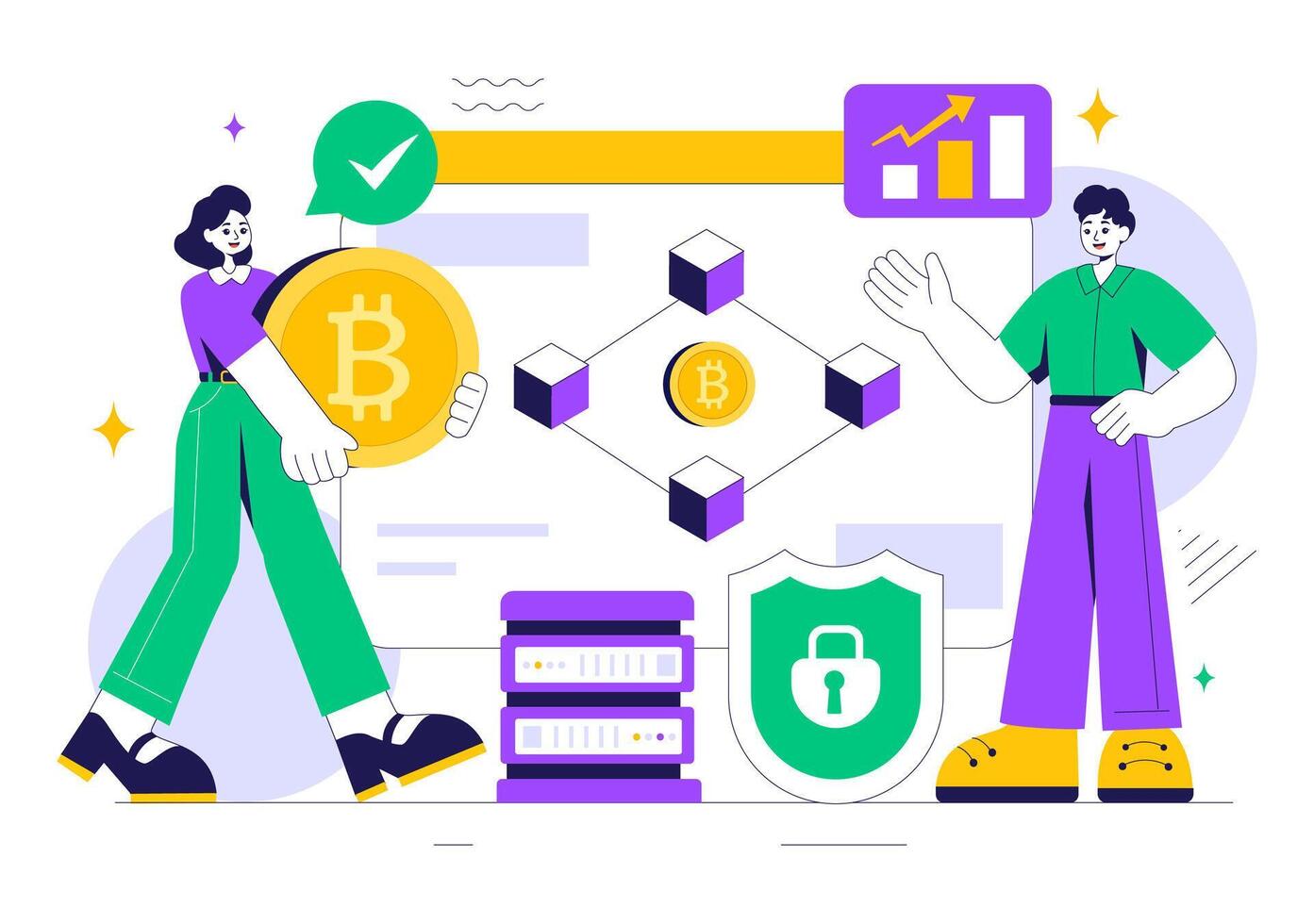
When people hear the word blockchain, they often think of Bitcoin or other digital currencies. However, blockchain technology has many uses beyond cryptocurrency. From tracking products to protecting digital records, it is helping businesses explore new ways to manage information securely and transparently.
As more organizations adopt digital solutions, blockchain is becoming an important technology for improving trust, reducing manual work, and making business processes more efficient.
What Is Blockchain Technology?
Blockchain is a digital system that records information in a series of connected blocks. These blocks are linked together using cryptographic methods, making recorded information difficult to change without detection.
Unlike a traditional database controlled by a single organization, some blockchain networks distribute records across multiple computers. Participants can verify information according to the network's rules, reducing the need to rely on one central authority.
For example, imagine a company transporting products from a factory to a store. A blockchain-based system could record important details at each stage, helping authorized participants check where the products came from and how they moved through the supply chain.
How Does Blockchain Work?
Blockchain works by recording transactions or other information in a structured and verifiable way.
Recording information: A new transaction or data entry is submitted to the network.
Verification: Network participants or authorized systems check whether the information meets the required rules.
Adding a block: Once accepted through the network's validation process, the information is added to the blockchain.
Maintaining the record: Cryptographic links help protect the integrity of existing records and make unauthorized changes easier to detect.
The exact process depends on the type of blockchain. Public and private blockchains can operate differently, and blockchain does not automatically guarantee that the original information entered into the system is accurate.
5 Real-World Applications of Blockchain Beyond Cryptocurrency
1. Supply Chain Management
Businesses often work with multiple suppliers, manufacturers, transport companies, and retailers. Tracking products across these different stages can be difficult.
Blockchain can create a shared record of product movements, helping organizations improve traceability and identify potential problems. It can also support efforts to verify product origin and reduce certain types of fraud.
For example, a food company could use blockchain records to trace a product from its source to the supermarket shelf.
2. Healthcare and Medical Records
Healthcare organizations handle sensitive information that must be managed carefully. Blockchain can help maintain verifiable records of data access, consent, and information exchange between authorized parties.
For example, a healthcare network could use blockchain to record when medical information is shared between participating institutions.
However, patient privacy remains essential. Blockchain is not automatically suitable for storing complete medical records directly, and secure access controls and data protection measures are still necessary.
3. Banking and Financial Services
Blockchain technology can support certain financial transactions, including cross-border payments and the exchange of digital assets.
Traditional international transfers may involve several intermediaries, which can increase processing time and costs. Depending on the system, blockchain-based solutions can help simplify settlement and improve transaction visibility.
Financial institutions are also exploring blockchain for trade finance, digital asset management, and recordkeeping.
4. Smart Contracts and Business Automation
Smart contracts are programs stored on a blockchain that execute predefined actions when specified conditions are met.
For example, an insurance application could use a smart contract to initiate a payment when approved data confirms that the conditions of a policy have been satisfied.
These contracts can reduce repetitive manual work and make certain processes more consistent. However, they require careful testing because errors in the code or inaccurate external data can lead to incorrect outcomes.
5. Digital Identity and Public Services
Blockchain can support digital identity systems by helping organizations verify credentials and maintain records of their validity.
For example, an institution could issue a digitally verifiable certificate that another organization can check without relying entirely on manual verification.
Governments and other organizations are also exploring blockchain for document verification, audit trails, and transparent recordkeeping. The technology can support accountability, although privacy, accessibility, and security must be considered before implementation.
Key Benefits of Blockchain Technology
When used for the right purpose, blockchain offers several potential benefits:
Transparency: Authorized participants can verify shared records.
Security: Cryptographic methods help protect records against unauthorized changes.
Traceability: Transactions and recorded events can be tracked over time.
Efficiency: Some processes can be automated, reducing repetitive administrative work.
Trust: Multiple participants can rely on a shared record without depending entirely on one organization.
Blockchain also has limitations, including implementation costs, scalability challenges, privacy concerns, and the difficulty of correcting inaccurate information already recorded.
How Can Businesses Get Started with Blockchain?
Businesses should begin by identifying a problem that requires secure recordkeeping, shared data, or reliable verification between multiple parties.
The next step is to assess whether blockchain offers a meaningful advantage over a conventional database. Not every business process needs blockchain, and a traditional system may be simpler and more cost-effective.
Organizations can then evaluate suitable platforms, define access permissions, test a small project, and review its security, performance, and business value before expanding it.
Businesses exploring digital transformation can visit Dverto AI to learn more about technology solutions and digital innovation. You can also explore Dverto AI's services to understand its broader technology offerings.
Conclusion
Blockchain technology is much more than the foundation of cryptocurrency. Its potential applications include supply chain tracking, healthcare information exchange, financial transactions, smart contracts, and digital identity verification.
Although it is not the right solution for every problem, blockchain can help organizations build more transparent and verifiable systems when implemented carefully. As businesses continue to explore emerging technologies, understanding blockchain's real-world uses can help them make better decisions about their digital future.
Related Blogs
More in Blockchain
No related blogs found in this category yet.